


What is a blocked nose?
A blocked nose, or nasal congestion, refers to that frustrating stuffy, bunged-up feeling of obstruction that you experience in your nose. It’s an incredibly common (and yes, annoying!) symptom that’s associated with a wide range of conditions – but more on those later.
Depending on what’s causing it, this feeling might last just a few days (like with a cold), or could hang around for much longer. That’s why it’s useful to understand the root cause, as this can help identify the most effective way to ease your sniffles and breathe a little easier.
Common causes of a blocked nose
A blocked nose can be caused by a variety of factors. While infections such as a cold or flu and allergies are often the main culprits, there are plenty of other potential causes too.
Allergies
A condition called allergic rhinitis is one of the most common causes of a blocked nose.
In people with allergic rhinitis, the body mistakes harmless things like pollen, dust mites, mould or pet dander for harmful intruders and triggers a response. This can lead to the release of a substance called histamine , which causes the blood vessels in your nasal passages to swell and cause inflammation in your nose – known as rhinitis . Allergic rhinitis caused by exposure to pollen is commonly known as hayfever.
As a result, your nose may start to feel more runny or stuffy than usual. You might notice other symptoms cropping up at the same time, such as watery eyes or sneezing.
Colds, flus and other viral infections
A blocked nose is also one of the main symptoms of the common cold, flu and other viral infections.
Nasal symptoms are caused by viruses infecting the cells lining the nose, or by the body's immune response to the viral infection.
At the same time, being exposed to an infection can cause your sinuses to become swollen, resulting in a blockage that makes it more difficult for the mucus (that your sinuses produce) to drain away. This may result in other symptoms including pain and pressure behind your face.
The flu can cause a similar kind of nasal congestion, but it usually hits you harder. For example, you might experience a high fever, body aches and feel a lot more run-down overall.
Environmental irritants
While viruses like the common cold and flu are often behind a blocked nose, certain irritants can cause just as much nasal trouble.
Things like air pollution, perfumes, paint fumes, smoke and spicy foods can irritate the lining of your nose. When this happens, your nasal passages may become inflamed and congested, much like they would during a cold.
If you notice that your nose starts to feel stuffy around certain substances, try to remove or avoid the trigger to minimise its impact and breathe a bit easier.
Pregnancy
A blocked nose can also be linked to changes in your hormone levels. This is particularly common during pregnancy, when many women experience what’s known as pregnancy rhinitis, or gestational rhinitis.
When to see a doctor about a blocked nose
Most of the time, a blocked nose isn’t a sign of anything serious, and it will often clear up on its own. But sometimes, it can be a sign that something else is going on.
It’s a good idea to consult a pharmacist or make an appointment with your doctor if:
- Your blocked nose hasn’t improved after two weeks, even with remedies
- There’s no clear cause for your congestion
- You start to feel very unwell in general
- Only one side of your nose is blocked
- You notice any blood in the discharge coming from your nose
Treatment for a blocked nose
Although treatment will depend on the cause of your blocked nose, there are some simple self-care tips and home remedies which may help relieve your symptoms:
- Inhale warm steam – taking a hot shower or gently breathing in steam from a large bowl of hot (but not boiling) water can help open up your nasal passages. Be very careful not to burn yourself, and do not use steam inhalation with children.
- Saltwater (saline) nasal sprays and douches – saline sprays or rinses can offer short-term relief from a blocked nose. They work by thinning the mucus inside your nose, making it more liquid and easier to drain.
- Try menthol vapour rub, oils or pastilles – ointments that contain ingredients such as menthol, eucalyptus oil and camphor, applied to the chest and throat before bed, can help your nose feel less blocked, calm coughing and make it easier to get a better night’s sleep, even though they don’t actually open up the airways. Gently rubbing a small amount onto your chest or neck lets you breathe in the soothing vapours while you rest, giving you a little extra comfort when a blocked nose is keeping you awake.
- Consider a decongestant – a decongestant spray, tablet or syrup may help to relieve a blocked nose. Some over-the-counter treatments contain ingredients that help shrink swollen blood vessels in the nose, offering relief. Do not use decongestants for more than a week, as this may cause ‘rebound’ nasal congestion.
- Try Clarinaze® Nasal Spray for allergic rhinitis symptoms – Clarinaze® Allergy Control Nasal Spray is used directly in the nose to help reduce swelling in the nasal passages, helping relieve allergy-related symptoms like sneezing and congestion in adults.
With so many treatment options available, it’s worth speaking to your pharmacist about which one is best suited to your needs.
Having nasal congestion can be frustrating, but it usually isn’t a sign of anything serious. In fact, most cases will clear up on their own and can be managed using simple home remedies and over-the-counter treatments. But, if your symptoms stick around or you’re at all concerned, don’t hesitate to speak to your doctor.
YOU MAY LIKE
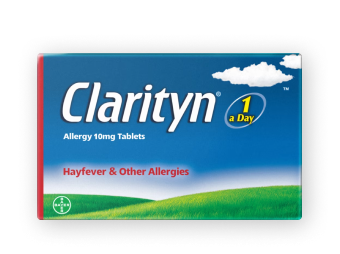
Clarityn® Allergy TabletsOne tablet can help effectively relieve allergy symptoms all day and is non-drowsy in the majority of users.
|
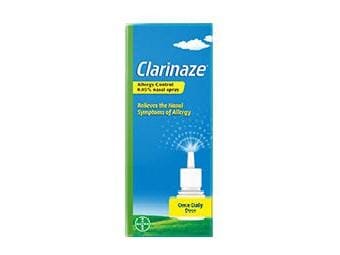
Clarinaze® Allergy Control Nasal SprayPrescription-strength relief from allergic nasal congestion, sneezing, and an itchy or runny nose. Available over the counter. |

Clarityn® Allergy SyrupThis mixed berries flavour syrup is sugar-free, colour-free, gluten-free and lactose-free. Suitable for children aged 2+. |