

What is an allergen?
An allergen is any substance that can cause an allergic reaction.
For most people, these substances are harmless. But for someone with allergies, the body mistakes them for a threat, triggering an immune response. Think of it like the body’s alarm system going off – even when there’s no real danger. That’s why allergy symptoms can feel so frustrating.
In people with allergies, the immune system may release chemicals such as histamine , leading to symptoms such as:
- Sneezing
- Itchy, red and watery eyes
- A runny or blocked nose
- Skin rashes or hives
- Coughing, wheezing or breathlessness
- Swollen eyes, lips, mouth or throat
- Tiredness and irritability
For some, these symptoms can be more than just bothersome – they can be serious.
Different types of allergens
There are lots of different types of allergens. Here’s a simple guide to the most common types you might encounter.
Seasonal allergens (hayfever)
When the sun is shining and flowers are blooming, many of us head outside to soak up the joys of spring and summer. But for people with hayfever – or seasonal allergic rhinitis – those sunny days can come with a side of sniffles.
Hayfever is triggered by pollen : the fine powder plants produce during their reproductive cycle.
Different types of pollen are released at different times of year:
- Tree pollen – spring
- Grass pollen – late spring and early summer
- Weed pollen – late autumn
During these peak seasons, pollen levels rise – and so do allergy symptoms like sneezing, a blocked or runny nose and itchy eyes.
These airborne allergens tend to be more problematic on warm, windy days.
If you have hayfever, checking your local pollen forecast can help you plan ahead and decide when to take precautions or start hayfever treatment.
Indoor allergens
Not all allergy triggers come from the great outdoors – some are hiding much closer to home. Indoor allergens include:
- Mould spores – microscopic particles released into the air by moulds, which can cause allergic reactions
- Dust mites – tiny creatures that live in bedding, carpets, soft furnishings and clothing
Allergic reactions to indoor allergens are not tied to a particular season and can happen all year round. But, these tiny troublemakers thrive in warm, humid environments, so during autumn and winter – when we spend more time indoors and crank up the heating – allergy symptoms can become more noticeable.
Pet allergens
We love our furry (and feathered) friends – but for some, being around animals can lead to sniffles and sneezes.
Pet allergies are usually caused by proteins found in an animal’s saliva, dander (tiny flakes of skin) or urine. These proteins can easily stick to furniture, carpets and clothing – and can linger in the air long after the animal is gone.
Animals that commonly trigger allergies include:
Allergy symptoms can develop even without direct contact. Simply spending time in a space where animals live – or where someone has carried pet allergens in on their clothing – can be enough to trigger a reaction.
How Clarityn can help
The right treatment for you will depend on your specific allergy and how it affects you. For relief from allergic rhinitis symptoms caused by over 150 airborne allergens, Clarityn® can help.
Clarityn® Allergy Tablets are a prescription-strength over-the-counter option that can provide effective relief from allergic rhinitis symptoms, (such as runny nose, itchy, watery eyes, sneezing) which can be caused by house dust mites , pet dander, plant pollen and moulds.
In addition, Clarinaze® Allergy Control Nasal Spray helps reduce swelling in the nasal passages, helping relieve symptoms like sneezing and congestion associated with allergic rhinitis.
Other types of allergens
Allergic reactions can occur in response to a wide variety of substances. In fact, there are many other allergens we haven’t covered yet. These include reactions triggered by food, certain medicines, insect stings and certain materials that come into contact with the skin.
Insect allergens
Bites and stings from insects like bees, wasps and hornets can trigger allergic reactions in some people.
Allergic reactions to insect stings are usually mild, causing pain and swelling at the site. However, some people may experience more serious symptoms or, in rare cases, anaphylaxis (a severe, potentially life-threatening reaction).
Cockroaches are another often-overlooked source of allergens. Proteins found in their droppings, saliva and shed body parts can act as allergens, especially in homes that are crowded.
Skin-related allergens
Skin-related allergens are substances that can trigger an allergic reaction when they come into contact with the skin. Some common examples include:
- Latex (found in gloves, balloons and condoms)
- Some metals, such as nickel (found in jewellery)
- Certain cosmetics or skincare ingredients
These allergens can trigger contact dermatitis – a red, itchy rash. Skin reactions may appear immediately or take several hours or even days after exposure to develop, which can make it tricky to identify the original cause.
Food allergens
A food allergy occurs when the body’s immune system reacts unusually to specific foods. While many allergic reactions are mild, some can be severe and even life-threatening.
Common food allergens include:
- Milk
- Eggs
- Peanuts
- Tree nuts
- Shellfish
- Fish
- Soya
- Wheat
- Sesame
Diagnosing a food allergy is essential for identifying triggers, preventing reactions, managing symptoms and improving quality of life.
Medicine allergens
While in theory any medicine can cause an allergic reaction, certain medicine allergies are more common than others, including:
- Penicillin and other antibiotics
- Aspirin and non-steroidal anti-inflammatory drugs (NSAIDs)
- Anaesthetics
Medicine allergies are relatively uncommon. If you think you’ve had a reaction to a medication, it’s important to speak to a healthcare professional. They can help identify the cause and guide you on what to avoid in the future.
When to see a doctor about allergies
If you're unsure whether your symptoms are caused by an allergy, it’s always worth speaking to your doctor.
Seek advice if:
- You think you may have an allergy
- Your symptoms are getting worse
- Over-the-counter treatments aren’t helping
- You experience severe symptoms
Allergy testing can help identify your triggers and guide a personalised treatment plan.
How allergies are diagnosed
If your GP suspects an allergy, they may offer tests or refer you to a specialist allergy clinic.
Common allergy tests include:
- Skin prick or patch tests – tiny amounts of allergens are placed on your skin to check for a reaction
- Blood tests – used to detect specific antibodies your body produces in response to allergens
- Elimination diets – for food-related allergies, where you temporarily remove or reintroduce suspected foods under medical guidance to identify triggers
Managing and treating allergies: a recap
Allergies can be frustrating – but with the right approach, they can often be managed effectively. From avoidance steps to medical treatments, there are ways to reduce symptoms and improve day-to-day comfort.
Simple preventative steps can help reduce your exposure to common seasonal, indoor and pet allergens:
- Keep windows closed during high pollen days
- Keep your home dry and well-ventilated
- Wash bedding and clothing regularly
- Use air purifiers
- Shower after spending time outdoors
Avoiding known allergens – including foods, medicines or skin irritants – is also key.
If symptoms still occur, several treatments can help you manage your response:
- Antihistamines – relieve some symptoms of allergies such as sneezing, itchy eyes and a runny nose
- Corticosteroids (steroids) – help reduce inflammation and swelling
- Adrenaline auto-injectors – for emergency use in severe allergic reactions
- Immunotherapy (desensitisation) – a long-term treatment that gradually reduces your sensitivity through careful, regular exposure to small doses of the allergen under medical supervision
If you’re not sure which type of treatment is right for your specific symptoms, speak to a pharmacist. And, if your symptoms don’t improve after using pharmacy treatments, it’s best to speak to your doctor for further advice and tailored support.
With numerous known allergens, it’s no surprise that allergies affect so many lives. But with the right knowledge and treatment, it’s entirely possible to reclaim the joy of everyday moments – whether that’s exploring nature, spending time with family or simply feeling comfortable in your own home.
Want to learn more? Visit our Living With Allergies blog for expert advice and real-life tips, and explore our product range.
YOU MAY LIKE
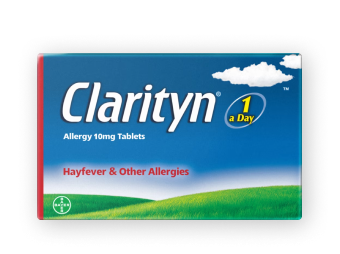
Clarityn® Allergy TabletsOne tablet can help effectively relieve allergy symptoms all day and is non-drowsy in the majority of users.
|

Clarityn® Allergy SyrupThis mixed berries flavour syrup is sugar-free, colour-free, gluten-free and lactose-free. Suitable for children aged 2+. |
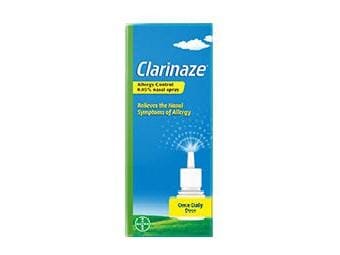
Clarinaze® Allergy Control Nasal SprayPrescription-strength relief from allergic nasal congestion, sneezing, and an itchy or runny nose. Available over the counter. |