


What are antihistamines?
Antihistamines are a type of medicine designed to help reduce the symptoms of allergic reactions.
Hayfever , for example, is a common allergic reaction to pollen that’s released by plants and trees.3 While most people will experience no symptoms when they’re around pollen, others may start to become sneezy, get a runny nose or develop itchy eyes.
In other words, antihistamines help lower your chances of experiencing allergy symptoms when you come into contact with whatever triggers your allergies (known as an allergen ). At the same time, they also help combat any symptoms you may already be dealing with.
Antihistamines come in various forms, including tablets, capsules, liquids, syrups, creams, lotions, gels, eye drops and nasal sprays, allowing you to choose the option that best suits your specific symptoms.
How do antihistamines work?
Antihistamines work by counteracting the effects of histamine – a substance that gets released when you’re exposed to an allergen you’re sensitive to. These allergens can be any number of things, including:
- Tree and grass pollen (which can trigger hayfever)
- House dust mites
- Pets or animals (such as cats and dogs)
- Mould
- Insect stings (such as bee and wasp stings)
When you encounter one of these allergens, your body mistakes it as a threat and releases histamine. This may cause your blood vessels to expand and your skin to swell as your body attempts to protect itself.
You may then start developing symptoms, such as itchy, watery eyes, a runny or blocked nose, sneezing or skin rashes – usually soon after coming into contact with the allergen.
Antihistamines, effectively, act to block this process, helping relieve any symptoms you’re experiencing and prevent the release of histamine for a short-term period.
Types of antihistamines
Antihistamines come in a wide variety of forms. They’re also often categorised into two main types: first generation and second generation.
First-generation antihistamines sometimes make you feel sleepy due to the specific active ingredients they contain. This type of antihistamine may be helpful if your allergy symptoms, like itching, are affecting your ability to get a good night’s sleep.
When looking for first-generation antihistamines at your local pharmacy, keep an eye out for ingredients like chlorphenamine, cinnarizine, diphenhydramine, hydroxyzine and promethazine on the medication’s packaging.
Second-generation* antihistamines, on the other hand, are less likely to make people sleepy.
What are antihistamines used for?
While antihistamines are often associated with conditions like hayfever, they can also be used to help with symptoms of several other allergy-related issues.
Clarityn® Allergy Tablets, for instance, is a prescription-strength, second-generation* antihistamine designed to provide effective relief from allergy symptoms caused by over 150 airborne allergens.
Certain antihistamines are used to treat allergies, while others are designed to help prevent motion sickness or to assist with temporary sleep disturbance.
The key thing to look out for is the product indication stated on the pack or within the patient information leaflet. As a general guide:
- Cetirizine, fexofenadine or loratadine are often indicated for allergic rhinitis (for example, hay fever) and chronic idiopathic urticaria
- Azelastine and ketotifen are often used in eye drops to help alleviate itchy eye symptoms caused by allergies
- Cyclizine and promethazine teoclate help with nausea and vomiting, including motion sickness
- Diphenhydramine and promethazine hydrochloride are often used for temporary sleep disturbance
If you’re not sure which type of antihistamine is right for you, always speak to a healthcare professional before deciding.
How to take antihistamines
Not all antihistamines are suitable for everyone, so it’s important to speak to your doctor or pharmacist if you are unsure.
After receiving their recommendation, be sure to follow their advice and the directions in the leaflet that comes with the packaging.
Since antihistamines are available as tablets, capsules, liquids, syrups, creams, lotions, gels, eye drops and nasal sprays, you need to make sure you are familiar with the directions for use before taking them for the first time.
With this in mind, try to find out the answers to these key questions:
- Should you take it with food or water?
- What dosage should you take each time?
- How often should you take it?
- How long should you take it for?
If you’re not sure about the answers to any of these questions, don’t worry – the leaflet included with your antihistamine should provide all the information you need.
Possible side effects & considerations of antihistamines
As with any medicine, antihistamines can be associated with certain side effects. However, these can differ depending on the type of antihistamine you’re using.
The handy leaflet that comes with your antihistamine should detail the potential side effects to be aware of. So, it’s a good idea to review this information before using the product.
Who can take antihistamines?
Most adults can take antihistamines, but there are a few exceptions. For example, if you’re currently pregnant**, breastfeeding or taking other medications, it’s important to speak to your doctor or pharmacist before using the medicine. Antihistamines are not generally recommended for use during pregnancy or breastfeeding.
You should also seek medical advice before taking antihistamines if you have an underlying health condition.
Some antihistamines may not be suitable for you or your child, so consulting your pharmacist or doctor will help point you in the right direction.
Antihistamines are a form of medication designed to help reduce allergy symptoms. To learn more about the types of allergies they can help with, keep scrolling to discover some of our featured articles.
FAQs about antihistamines
Keen to learn more about antihistamines? Don’t worry – we’ve got you covered. Here are answers to some of the most commonly asked questions.
Can you take antihistamines every day?
Some antihistamines can be taken daily – please refer to the patient information leaflet for details and ask your pharmacist or doctor for advice is you are unsure.
Can you take antihistamines with other allergy medications?
Please refer to the patient information leaflet and always consult your doctor or pharmacist before combining medications.
Do antihistamines cure allergies?
No, antihistamines can only help to relieve the symptoms caused by allergies – they do not cure them. Since there is no cure for allergies like hayfever, the most effective way to manage them is by avoiding the allergens you’re sensitive to as much as possible.
Clarityn Allergy Tablets (ages 6+) and Clarityn Allergy Syrup (ages 2+) contain loratadine. Clarinaze Allergy Control Nasal Spray (ages 18+) contains mometasone furoate. Always read the label.
* Second-generation antihistamines work in this way for most people. A small number of people may still experience drowsiness.
**Medicines can affect the unborn baby. Always talk to your doctor or pharmacist before taking any medicine in pregnancy.
YOU MAY LIKE
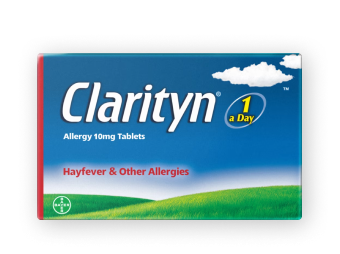
Clarityn® Allergy TabletsOne tablet can help effectively relieve allergy symptoms all day and is non-drowsy in the majority of users.
|
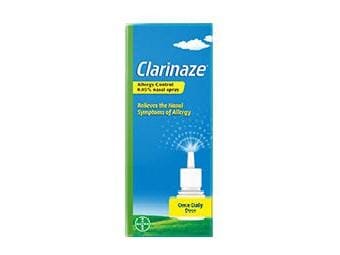
Clarinaze® Allergy Control Nasal SprayPrescription-strength relief from allergic nasal congestion, sneezing, and an itchy or runny nose. Available over the counter. |

Clarityn® Allergy SyrupThis mixed berries flavour syrup is sugar-free, colour-free, gluten-free and lactose-free. Suitable for children aged 2+. |