


Disclaimer:
The Clarityn® (loratadine) range of products and Clarinaze Allergy Control Nasal Spray (mometasone furoate) are indicated for hayfever and other airborne allergies, both indoor and outdoor, such as pets, dust and mould . They are not indicated for the treatment of insect bites or stings. While certain antihistamines may help to relieve insect sting and bite allergy symptoms, not all types are suitable. The information provided below is intended for educational purposes only and does not replace professional advice. If in doubt, speak to a pharmacist for tailored support.
Understanding allergies to insect bites and stings
When you get stung by a bee or a wasp, you’ll likely notice a painful swelling at the site of the sting. While this may be uncomfortable and lead to some swelling, it’s not normally dangerous. In fact, most cases will normally get better within a few days.
However, if you’re allergic to insect stings, you may experience an allergic reaction to the small amount of venom in the sting, which may lead to a localised reaction or more severe symptoms which can affect breathing and circulation ( anaphylaxis ).
Allergic reactions occur when your body produces antibodies which trigger the production of chemicals such as histamine , causing inflammation.
You may also notice the site of the sting becoming red and forming a small, swollen lump. In most cases, this should only be mild, but if it gets infected, it could spread and become even more swollen.
It’s important to seek medical advice if you’re concerned or find that your symptoms get worse.
What types of insects bite or sting?
While many of us will jump to thinking of bees, wasps or hornets when it comes to insect stings, there are several other critters to be aware of.
Some of the most common biting insects in the UK include:
- Midges
- Gnats
- Mosquitoes
- Flies
- Fleas
- Mites
- Ticks
- Bedbugs
After being stung or bitten by insects like these, most people will normally develop a small, itchy lump within 24 hours, which should fade over the next few days. However, those who are allergic to insect bites may react slightly differently.
Symptoms of an allergic reaction
When an allergic reaction is triggered by an insect bite or sting, you may experience mild (i.e. localised) and severe (i.e. anaphylaxis) symptoms.
Serious reactions are more commonly seen after being stung by a wasp or a bee. On the other hand, insect bites from bugs like mosquitoes, ticks or fleas, will typically lead to mild reactions.
Mild reactions
Mild allergic reactions are the most common and usually cause localised redness and swelling at the site where you were stung.
You may also notice that the skin around the bite or sting becomes pretty itchy and raised, but generally, these symptoms should go away within a few days.
Severe reactions (anaphylaxis)
Severe allergic reactions, known as anaphylaxis, can be life-threatening and result in what are known as ABC symptoms. These relate to symptoms that affect your:
- Airway – swelling in the throat, tongue or upper airways, causing a hoarse voice or difficulty swallowing
- Breathing – a sudden onset of wheezing or breathing difficulties
- Circulation – feeling dizzy, faint, sleepy, tired or confused, and developing pale, clammy skin
You may also experience the same itching, swelling and pain as you would with a mild reaction. However, in severe cases, the swelling can become blotchy and spread beyond the site of the sting itself, even along the entirety of your arm or leg.
Other symptoms may develop alongside these as well, often within ten minutes of being stung. These include:
- Abdominal cramps
- Swelling of the face (including the lips, tongue, throat and upper airway)
- Redness of the skin
- A fast heart rate
- Low blood pressure
- A sense of uneasiness
- Fainting or loss of consciousness
If you experience any symptoms of a severe allergic reaction, it’s vital to seek medical attention and treatment right away. So make sure to call an ambulance as soon as you can.
Treatment options for allergic reactions to insect bites and stings
If you’re not allergic to insect bites and stings, you can normally treat them relatively easily at home.
If there are any serious symptoms suggesting anaphylaxis, seek medical help immediately.
When dealing with a bee or wasp sting, you need to act quickly by removing the stinger as soon as possible. You can do this using your fingers or something like a bank card to gently brush it out. This will help prevent the venom inside from causing further damage.
When experiencing mild allergic reactions after being bitten or stung, there are several things you can do to help reduce your symptoms. These include:
- Applying a cold compress (like a cold flannel or an ice pack wrapped in a cloth) to reduce pain and minimise swelling
- Washing the area with soap and water
- Keeping the affected area raised
- Taking pain-relieving medicines (like paracetamol or ibuprofen)
- Applying mild hydrocortisone cream (available from pharmacies) to help reduce itchiness
- Not scratching the bite, as this could lead to infection
- Taking an antihistamine tablet – ask your pharmacist for one that is suitable for insect bites and stings
If you have a known severe allergy to insect bites and stings, your doctor will need to prescribe an adrenaline auto-injector, such as an EpiPen, to you and show you how to use it. You’ll need to carry at least two pens with you at all times, just in case of an emergency.
If you have been prescribed an adrenaline auto-injector, use it straight away to treat serious allergic reactions.
How to avoid insect bites and stings
Avoiding pesky insects may be easier said than done, but there are a number of ways you can reduce your chances of getting bitten or stung.
Here are some helpful changes to consider making in your day-to-day routine:
- Wear shoes and socks when spending time outdoors
- Avoid using any strong-smelling perfumes or products like hairspray, as they can attract insects
- Wear long-sleeved clothes whenever you’re outside
- Tuck your shirt into your trousers and your trousers into your socks
- Resist the urge to panic or swat at bees or wasps you encounter – keep calm, move away from them slowly, and they should buzz off
- Wipe your mouth and wash your hands after eating or drinking, as this could attract insects
- Don’t try to remove a nest of wasps or bees by yourself – contact a professional from your local authority to handle it
- Stay away from open rubbish bins while outside
- Try to eat your meals indoors whenever possible, and always cover any uneaten food
- Wear an insect repellent that contains diethyltoluamide (DEET) – an ingredient that helps repel insects
- Use insect nets and keep your windows and doors closed when spending time inside
If you’re worried about being bitten or stung by an insect, or if you need advice on an existing bite or sting, speak to your local pharmacist. They’ll be able to assess your symptoms in detail and provide a treatment plan that’s right for you.
Being bitten or stung by an insect can be a real pain in the arm, but they’re not the only animals that can trigger allergies. To learn more about how pets like dogs and cats can also cause allergies, keep scrolling and explore some of our featured articles.
Clarityn Allergy 10mg Tablets (ages 6+) and Clarityn Allergy 1mg/ml Syrup (ages 2+) contain loratadine. Clarinaze Allergy Control 0.05% Nasal Spray (ages 18+) contains mometasone furoate. For the symptoms of hayfever. Always read the label.
YOU MAY LIKE
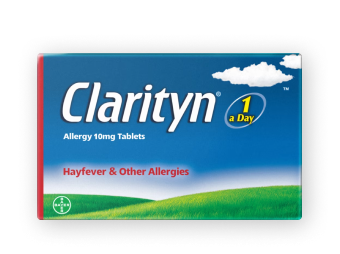
Clarityn® Allergy TabletsOne tablet can help effectively relieve allergy symptoms all day and is non-drowsy in the majority of users.
|
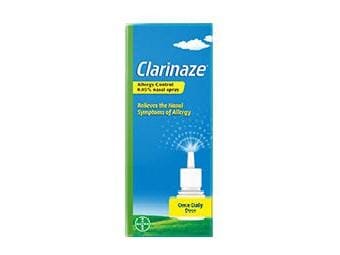
Clarinaze® Allergy Control Nasal SprayPrescription-strength relief from allergic nasal congestion, sneezing, and an itchy or runny nose. Available over the counter. |

Clarityn® Allergy SyrupThis mixed berries flavour syrup is sugar-free, colour-free, gluten-free and lactose-free. Suitable for children aged 2+. |