


Common causes of an itchy nose
There are several everyday triggers that can set off that bothersome nasal itch. The most common include allergies, environmental irritants, dry air and, sometimes, infections.
Allergies
Allergies are one of the leading culprits behind nasal itching.
This condition – known as allergic rhinitis – happens when your nose reacts to something you’re allergic to (an allergen ), sparking sneezing and other symptoms.
When your body encounters allergens like pollen, dust mites or pet dander, it releases histamine . This natural chemical prompts the classic allergy response: sneezing, watery eyes, nasal congestion and, yes, that all-too-familiar itching sensation.
If you notice symptoms flaring up during certain seasons or in specific environments, allergies could be to blame. Seasonal allergies (hay fever) typically peak during spring and summer, while perennial allergies can cause symptoms year-round.
Environmental factors and irritants
Sometimes an itchy nose might also be down to ‘non- allergic rhinitis ’ – that is, irritation of the nasal passages that doesn't involve the immune system .
Everyday environmental factors and irritants can trigger this type of reaction, including:
- Smoke
- Strong smells
- Chemicals
- Paint fumes
- Perfume
- Alcohol
- Spicy food
While these triggers don’t set off a true allergic response, they can still produce similar symptoms, such as an itchy nose, sneezing and nasal congestion. And if you already live with allergic rhinitis, these irritants can make your symptoms even worse.
Infections
Viral infections, like the common cold, may also cause an irritated and itchy nose.
Because colds, other infections and allergies share many overlapping symptoms, it can sometimes be tricky to tell them apart. But understanding the difference between allergies and colds can help you find relief and get back to feeling like yourself again.
Colds often bring a blocked or runny nose, sneezing, coughing and a sore throat, along with general fatigue. Headaches or even a mild fever can also tag along.
An itchy nose tends to feature less in colds, but it can still show up.
While colds and infections aren’t fun, the silver lining is that they’re usually short-lived, with symptoms easing within a week or two.
Dryness and humidity imbalances
Ever noticed your nose feeling extra itchy during winter, when the heating is blasting indoors?
During colder months, indoor heating and lower humidity levels can dry out the delicate lining of your nose, causing irritation and itchiness. On the flip side, too much humidity in the home creates the perfect environment for allergens like mould to thrive, which may also spark nasal itching.
The sweet spot is somewhere in between – ideally keeping indoor humidity around 50–55%. Simple steps like using a humidifier or dehumidifier where needed and ventilating your house regularly can go a long way towards keeping your nose comfortable and hydrated.
Less common causes to consider
While itchy noses are usually linked to common culprits like allergies or occasionally infections or chemical and environmental irritants, sometimes the cause is a little less obvious. Here are a few other possibilities to keep in mind:
- Hormonal changes – shifts in hormone levels, especially during pregnancy, can cause rhinitis
- Thyroid conditions – an underactive thyroid (hypothyroidism) may be linked to nasal symptoms
- Medicines – such as ACE inhibitors, beta blockers, aspirin, ibuprofen, hormone replacement therapy (HRT) and the contraceptive pill
- Nasal sprays overuse – using decongestant nasal sprays for more than a week can cause swelling and irritation
- Physiological triggers – factors like stress or even sexual arousal may sometimes influence nasal sensitivity
How to prevent an itchy nose
Stopping the itch before it starts is often the most effective strategy. Everyday habits can make a big difference in reducing your risk of irritation:
- Keep allergens at bay: Regular cleaning helps reduce dust, pet dander and mould spores – all of which can trigger nasal itch. Vacuum with a high-efficiency particulate air ( HEPA ) filter and wash bedding frequently in hot water to minimise exposure.
- Avoid known triggers: Whether it’s pollen , pets or perfumes, steering clear of your personal triggers can help prevent flare-ups and keep nasal itching under control
- Freshen up after being outdoors: Pollen can cling to hair, skin and clothing. Showering and changing into clean clothes when you get home can help limit the amount of pollen you bring indoors.
- Watch the pollen forecast: On high-pollen days, keep windows closed and limit outdoor activities. Air purifiers with HEPA filters can also help reduce pollen exposure indoors.
- Balance indoor air: Both very dry and very damp air can worsen nasal itching. Open windows when you can and use a dehumidifier if needed.
Taking these proactive steps can help reduce how often an itchy nose strikes. Combined with effective treatments, such as Clarityn® Allergy Tablets or Syrup for allergic rhinitis, they can help you enjoy the moment – without constant irritation.
Home remedies and self-care tips for an itchy nose
You don’t always need a prescription to feel better – there are simple steps you can try at home to help ease that irritating itch.
One option is to rinse with saline. A gentle saline (saltwater) spray or solution can help flush away excess mucus, allergens and irritants, while keeping your nasal passages moist and comfortable.
A pharmacist is a great first port of call and can advise on options that may help. These include antihistamines, which are effective for allergic rhinitis but not for non‑allergic rhinitis, as well as nasal sprays to relieve congestion and saline sprays or solutions to rinse out the inside of your nose.
Many treatments are available without a prescription. It’s important to note that decongestant sprays shouldn’t be used for longer than a week, as overuse can lead to rebound irritation.
When allergies are the root cause, over‑the‑counter antihistamines, such as Clarityn® Allergy Tablets, can provide relief from sneezing, nasal itching and other allergic rhinitis symptoms. Meanwhile, Clarinaze® Allergy Control Nasal Spray is formulated to relieve the nasal symptoms associated with allergic rhinitis, including inflammation (swelling and irritation of the nose), sneezing and itching.
These small steps can help make a big difference when irritation strikes, helping you feel clearer and more comfortable.
When to see a doctor about rhinitis or nasal symptoms
An occasional itchy nose is usually nothing to worry about. But, it’s best to speak to your GP if you notice that:
- Symptoms are getting worse or don’t improve
- Your symptoms affect your sleep and day-to-day life
- You’re unsure what’s causing your symptoms
- Treatments recommended by a pharmacist aren’t helping
- You experience asthma symptoms or notice your asthma worsening
In some cases, your doctor may prescribe different medicines to help manage itchy nose symptoms. If the cause isn’t clear or your symptoms are severe, they might also refer you to a specialist for further tests and treatment.
An itchy nose might seem like a minor annoyance, but for some people, it can become a daily discomfort. Fortunately, whether it’s caused by allergens, irritants or dryness, there are steps you can take to soothe irritation and get back to enjoying life’s little moments.
To learn more about allergies, take a look at our dedicated ‘Living with allergies’ blog.
YOU MAY LIKE
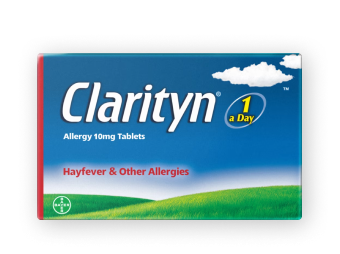
Clarityn® Allergy TabletsOne tablet can help effectively relieve allergy symptoms all day and is non-drowsy in the majority of users.
|
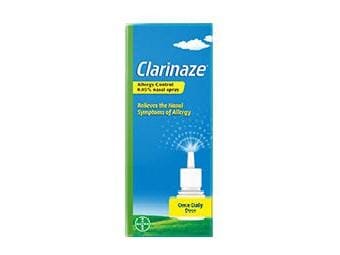
Clarinaze® Allergy Control Nasal SprayPrescription-strength relief from allergic nasal congestion, sneezing, and an itchy or runny nose. Available over the counter. |

Clarityn® Allergy SyrupThis mixed berries flavour syrup is sugar-free, colour-free, gluten-free and lactose-free. Suitable for children aged 2+. |