


What is allergic asthma?
Allergic asthma happens when your asthma flares up in response to things like pollen , pet dander or house dust mites .
These substances (known as allergens) don’t usually cause symptoms in most people. But if you have asthma and a specific allergy, your body might react differently.
This means you may experience certain asthma symptoms whenever you’re around something you’re allergic to. For instance, you might:
- Feel short of breath
- Start wheezing (making a whistling sound when you breathe)
- Experience a tight chest
- Develop a cough
- Find it difficult to perform physical activities
Allergic asthma often goes hand-in-hand with other allergic conditions, including eczema, food allergies and allergic rhinitis. So, if you’re experiencing allergic asthma, you might also develop some common allergy symptoms.
These can include:
- Runny nose
- Sneezing
- Pain or tenderness around the cheeks, eyes or forehead
- Coughing, wheezing or breathlessness
- Itchy skin
- Diarrhoea
- Feeling or being sick
- Swollen eyes, lips, mouth or throat
If you think you might have allergic asthma, it’s important to speak to your doctor. Your doctor will be able to talk to you about your symptoms and investigate whether you may have allergic asthma. If you do, they’ll be able to provide you with the tailored advice you need to help manage your symptoms.
How allergies trigger asthma symptoms
In allergic asthma, your immune system mistakenly recognises a harmless substance as a threat and overreacts.
When you’re around something you’re allergic to (or breathe it in without even realising), your immune system responds by releasing antibodies , which result in inflammation of the airways in the lungs. This results in symptoms such as cough, wheeze and breathlessness.
Common allergens that trigger asthma
While the exact causes of asthma aren’t fully understood just yet, we do know that there are a number of substances that can set off symptoms – especially if you have an allergy.
If you have allergic asthma, your symptoms might be set off by allergens like:
- Pollen (including tree pollen and grass pollen)
- House dust mites
- Mould
- Animals or pets (such as cats or dogs)
- Insect bites or stings (including bees or wasps)
Many people with allergic asthma also react to certain non-allergic triggers, including cigarette smoke or cold air. That’s why it’s important to recognise what sets off your symptoms, as this could affect the type of management plan you need.
Diagnosing asthma
If you think you might have allergic asthma, the best first step is to reach out to your doctor for support.
During your appointment, they’ll likely ask you various questions about your medical history and the symptoms you’ve been experiencing.
Some of the questions might include:
- What are your symptoms?
- When do they happen? And how often?
- Have you noticed anything that seems to trigger them?
- Do you also have hayfever , eczema or food allergies?
- Is there a family history of asthma or allergies?
Based on your answers, your doctor may recommend blood and lung function tests to work out whether you have asthma.
If your doctor establishes that you have asthma, they’ll discuss treatment with you.
Treatment and management of allergic asthma
All people with asthma need treatment. Managing asthma typically involves taking daily prescribed medicines to reduce inflammation in the airways, along with treatments to manage symptoms like breathlessness and wheeze as and when these occur.
Treatment usually consists of one or more inhalers. Inhalers contain either medicines to reduce inflammation, such as steroids, or medicines which help open the airways up. Different types of medicines may be combined in the same inhaler.
Some people will require treatment with tablets to reduce inflammation in the airways.
While there’s limited evidence to suggest their effectiveness, complementary therapies (like breathing exercises, homeopathy or acupuncture) may also be suggested. Complementary therapies are not included in current treatment recommendations, and should not be used in place of treatment prescribed by your doctor.
How to prevent allergy-induced asthma flare-ups
While there are several treatments available for allergic asthma, you can also help prevent allergy-induced asthma flare-ups by putting a solid management plan in place.
With this in mind, here’s what you can do to help manage your allergic asthma symptoms:
- Learn how to use your inhaler correctly
- Carry your inhaler every day and use it as prescribed
- Exercise regularly
- Maintain a balanced diet
- Get the flu jab each year to reduce your risk of illness
- Attend regular check-ups with your doctor or asthma nurse
It’s important to remember that asthma symptoms are individual to each person, so your exact management plan may look different from somebody else's. As such, it’s key to follow your doctor’s guidance on which treatments are best for you.
When to see a doctor
If you think you might have allergic asthma, or if you’re struggling to manage your symptoms with the treatments mentioned above, visit your doctor as soon as possible.
After discussing your symptoms and medical history, they’ll be able to suggest tests to help work out whether you have allergic asthma.
They’ll also be able to provide personalised advice and a management plan that helps you get back to doing what you do best: living your life.
Allergic asthma is a type of asthma triggered when you’re exposed to otherwise harmless substances like pollen, pet dander or house dust mites. To learn more about why these substances cause allergies, visit our dedicated ‘Living With Allergies’ blog page.
YOU MAY LIKE
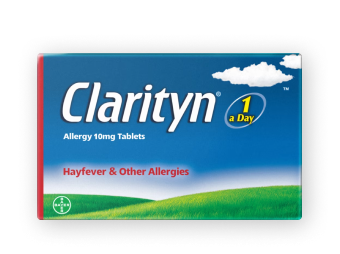
Clarityn® Allergy TabletsOne tablet can help effectively relieve allergy symptoms all day and is non-drowsy in the majority of users.
|
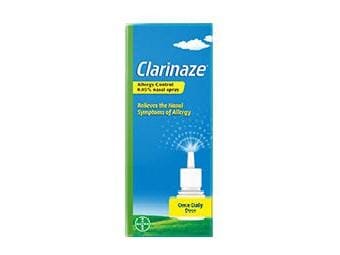
Clarinaze® Allergy Control Nasal SprayPrescription-strength relief from allergic nasal congestion, sneezing, and an itchy or runny nose. Available over the counter. |

Clarityn® Allergy SyrupThis mixed berries flavour syrup is sugar-free, colour-free, gluten-free and lactose-free. Suitable for children aged 2+. |