


What is hayfever?
Hayfever , also called allergic rhinitis, is an allergic reaction to pollen – a fine, powdery substance that plants produce as part of their reproductive cycle.
Pollen is released into the air during three key periods of the year, collectively known as the pollen season:
- Tree pollen is usually released between late March and mid-May
- Grass pollen follows, lasting from mid-May until July
- Weed pollen typically appears from late June to September
The timing and intensity of the pollen season can vary depending on where you live, as well as factors like weather and climate. For instance, pollen counts tend to be lower in urban areas compared to the countryside. So, make sure to check the pollen forecast regularly to keep up to date with the pollen levels in your area and stay ahead of your symptoms!
Hayfever in children and toddlers
Children who are sensitive to pollen may experience an allergic reaction when they come into contact with it. This can lead to the development of allergic rhinitis – a condition that causes redness and swelling (inflammation) inside the nose.
If your child has asthma, there is also a strong connection between this condition and hayfever. Children with hayfever are at a higher risk of developing asthma, while those with asthma often experience hayfever symptoms as well.
It’s still not 100% clear why this happens, but allergies tend to run in families, alongside conditions like asthma and eczema.
The number of hayfever sufferers is also rising year on year. So don’t hesitate to seek medical advice if you’re ever concerned or want to learn more about your child’s symptoms.
How do I know if my child has hayfever?
Hayfever is a common allergic reaction that affects approximately 10% of children in England. But how can you tell if your child is one of them?
If your child is sensitive to a particular type of pollen, their body may mistakenly recognise it as a threat when they breathe it in. In response, their immune system may trigger a response, leading to a range of symptoms.
Some of the most common symptoms associated with allergic rhinitis and hayfever include:
- Frequent sneezing
- A runny, blocked or stuffy nose
- Itchy, red or watery eyes
- An itchy throat or ears
- Cough
- Feeling tired
However, in addition to these more classic symptoms of hayfever, your child may also struggle to recognise or verbalise the symptoms they’re feeling. So make sure to keep an eye out for other symptoms like:
- Sleeping difficulties
- Restlessness
- Difficulty concentrating
- Irritability
What type of hayfever does my child have?
As we touched on earlier, hayfever symptoms typically develop between late March and September, when pollen levels from trees, grasses and weeds are at their peak.
Since different types of pollen are released at different times of the year, tracking when your child’s symptoms flare up can help identify their specific trigger.
For example, if your child starts to develop hayfever symptoms in early spring, tree pollen is likely the culprit. But if they worsen over the earlier summer months, grass pollen may be to blame.
Hayfever relief for children
Hayfever can have a big impact on your child’s quality of life and may affect their concentration and performance at school.
So, is there anything you can do to help ease their symptoms when the pollen count is high?
Well, we have good news – yes, there is! If your child suffers from hayfever, there are several effective ways to alleviate their symptoms when they first appear and help reduce the occurrence of symptoms:
- Check your local pollen forecast regularly
- Keep doors and windows closed (both inside the house and in the car)
- Encourage your child to stay indoors when the pollen count is very high
- Avoid drying their clothes outside (to prevent pollen from sticking to them)
- Have your child wear sunglasses and avoid rubbing their eyes
- Make sure they shower or wash their face and hair after playing outside
- Apply petroleum jelly to their nostrils (to help trap pollen)
- Vacuum regularly using a hoover with a high-efficiency particulate air ( HEPA ) filter
- Avoid smoking around them, as it can worsen symptoms
- Keep your pets outside (if possible) as they can bring pollen into the house
- Don’t keep fresh flowers inside the house
Take a look at our dedicated article to learn more about how to manage allergies in children.
See a pharmacist for over-the-counter support
While the tips above can help prevent symptoms, your local pharmacist can also offer advice on treatments to ease symptoms that have already developed. This may include over-the-counter options such as:
- Antihistamines – these are designed to block the effects of histamine , a substance released when your child’s body mistakenly recognises pollen as a threat and tries to protect itself from it
Your pharmacist may also suggest different products based on your child’s exact symptoms as well as their age and weight.
Clarityn® Allergy Tablets, for example, are an antihistamine suitable for children over six years old weighing 30kg or more. Each tablet contains an active ingredient called loratadine, which can provide up to 24-hour relief from hayfever symptoms.
Meanwhile, Clarityn® Allergy Syrup is suitable for children aged 2 years and up. Completely free from sugar, colouring, gluten and lactose, this syrup is designed to provide up to 24-hour relief while allowing children to get back to what they do best: playing and learning.
However, if you’re concerned about your child’s symptoms, it’s always best to see a doctor for personalised advice.
Hayfever is an allergic reaction that affects up to 10–15% of children in the UK. To learn more about some other common allergies, such as those triggered by dogs, cats or dust mites , take a look at our dedicated ‘Living with allergies’ blog.
YOU MAY LIKE
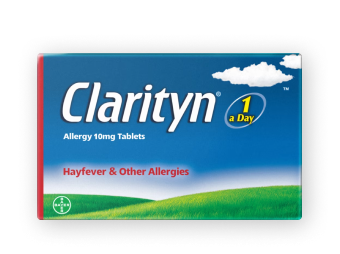
Clarityn® Allergy TabletsOne tablet can help effectively relieve allergy symptoms all day and is non-drowsy in the majority of users.
|
Clarinaze® Allergy Control Nasal SprayPrescription-strength relief from allergic nasal congestion, sneezing, and an itchy or runny nose. Available over the counter. |

Clarityn® Allergy SyrupThis mixed berries flavour syrup is sugar-free, colour-free, gluten-free and lactose-free. Suitable for children aged 2+. |