
What is the common cold?
When you hear someone say they’ve ‘caught a cold’, they’re usually referring to a common viral infection they’ve picked up somewhere.
Colds are highly contagious, meaning they can quickly spread from person to person – usually through coughing, sneezing or touching things that someone with a cold has come into contact with already.
After catching a cold from somebody else, you may gradually start to notice certain symptoms, such as a sore throat, a blocked or runny nose or a cough.
What are allergies?
An allergy occurs when your body reacts to something normally harmless, such as pollen or flakes of skin (known as dander) from a cat or dog. This can cause you to experience certain symptoms whenever you’re around them.
These symptoms are brought on as a result of your body viewing these harmless substances (called allergens) as a threat. When this happens, your immune system kicks into gear, releasing a substance called histamine to try and protect you.
However, the release of this substance also triggers certain allergy symptoms, including watery eyes, a runny nose or itchy skin.
The severity of your symptoms may vary, depending on how sensitive you are to a specific allergen .
Key differences between allergies and colds
While allergies and colds share a lot of the same symptoms, there are some key differences between the two. You may be able to tell them apart by paying close attention to the symptoms you’re experiencing.
Symptoms commonly associated with allergies
When experiencing an allergic reaction, you may experience symptoms like:
- Runny nose
- Sneezing
- Pain or tenderness around the cheeks, eyes or forehead
- Coughing, wheezing or breathlessness
- Itchy skin
- Diarrhoea
- Feeling or being sick
- Swollen eyes, lips, mouth or throat
Symptoms of a common cold
Picking up a cold from somewhere could lead to several symptoms, including:
- Blocked or runny nose
- Sneezing
- Sore throat or hoarse voice
- Cough
- Feeling tired and unwell
- High temperature
- Achy muscles
- Loss of taste and smell
- A feeling of pressure in your ears and face
Another key thing to look out for is how quickly your symptoms start and how long they last.
If you suddenly start sneezing a lot or develop a runny nose without warning, this is likely to be because you’re in the same area as something you’re sensitive to, which has triggered an allergic reaction.
However, if your symptoms appear more slowly over a few days, or you become tired and achy, it’s more likely to be the common cold.
Colds also tend to only stick around for a week or two, while allergies normally last as long as you hang around whatever’s triggering them. This can be weeks or even months in some cases!
Another big difference is that allergies don’t usually cause a high temperature. So, if you’re feeling hot and generally unwell, it’s more likely to be a cold or some other type of infection.
Common triggers and causes
Colds are caused by viruses which spread easily from person to person. For example, you can catch a cold through:
- Touching a contaminated object or surface and then touching your mouth, nose or eyes
- Coming into contact with someone’s skin (if it has infected droplets on it), then touching your own mouth, nose or eyes
- Breathing in tiny droplets that contain the cold virus (often after an infected person coughs or sneezes)
Allergies, on the other hand, work slightly differently. You’ll normally experience an allergic reaction when you come into contact with a specific allergen .
This commonly includes things like:
- Pollen (including tree pollen and grass pollen)
- House dust mites
- Foods (such as peanuts, milk or eggs)
- Animals or pets (including cats or dogs)
- Insect bites or stings (such as bees or wasps)
- Mould
- Certain medications (including ibuprofen, aspirin or antibiotics)
- Household chemicals (such as hair dye or detergents)
- Latex (such as condoms or gloves)
You may also notice that allergies are more common at certain times of the year.
Take hayfever , for example – a common pollen allergy that often causes symptoms between late March and September. So, it’s important to be aware of the time of year your symptoms first appear.
While colds usually go away after a week or two, allergies like hayfever can last for weeks or even months, depending on how high the pollen levels are in your area.
How to find out what’s affecting you
If you’re still not sure whether you have an allergy or a cold, don’t worry – here are some helpful questions to ask yourself.
- How soon did your symptoms come on? Allergy symptoms tend to hit you all at once after you come in contact with an allergen. Meanwhile, cold symptoms usually develop slowly over a few days.
- How long have you experienced symptoms? Colds typically last a week or two, while allergy symptoms can persist for weeks or months, or as long as you’re exposed to the allergen.
- Are you feeling body aches and pains? Allergies aren’t usually associated with body aches and pains, so if you’re feeling sore, it’s more likely to be a cold or another infection.
- What colour and texture does your snot have? Colds tend to make your snot cloudier and more yellow. Allergies, on the other hand, typically cause a runny nose with snot that runs clear.
- What time of year is it? Colds are more common during the winter months but can occur at any time of the year. While indoor allergies can happen year-round, outdoor seasonal allergies are more frequent from spring to autumn.
To find out whether you’re experiencing a cold or an allergic reaction, speak to your doctor or local pharmacist. After discussing your symptoms with you, they’ll be able to provide tailored advice to help you manage them effectively.
How to treat and manage symptoms
Once you know whether you’re dealing with a cold or an allergy, there are several things you can do to help alleviate your symptoms and get back to feeling like yourself again.
Common cold management and treatment
While there’s no way to cure a cold, you can normally manage most of its symptoms quite easily from the comfort of your own home.
Getting plenty of rest, staying hydrated, eating healthily, sneezing into tissues and regularly washing your hands can help you recover more quickly and prevent spreading the virus.
There are several over-the-counter medications you can take to help as well. For instance:
- Painkillers – taking medicines like paracetamol or ibuprofen can ease headaches and sore throats and lower a raised temperature
- Decongestant nasal sprays, drops, tablets – these are designed to help unblock your nose, while vapour rubs may help ease chesty coughs
- Cough syrups – available for dry or chesty coughs
If you’re not sure which type of treatment is best for you, or find that your symptoms get worse, reach out to a pharmacist or doctor for advice.
Always make sure to read the label carefully before using any medicine.
Allergy management and treatment
When dealing with an allergy, the most effective way to manage your symptoms is to avoid whatever it is you’re allergic to.
However, as this isn’t always possible, there are certain over-the-counter products available to help relieve your symptoms. These include:
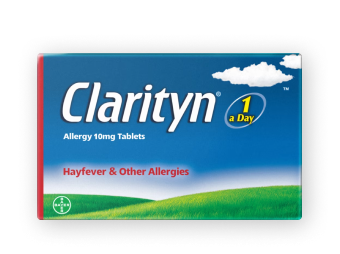
- Antihistamines, such as Clarityn® Allergy Tablets, which is a prescription-strength medicine that works by blocking the effects of histamine in your body, offering effective relief from the symptoms caused by over 150 airborne allergens
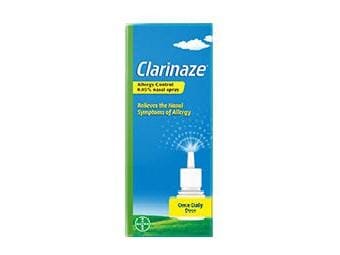
- Corticosteroid nasal sprays (such as Clarinaze® Allergy Control Nasal Spray) – anti-inflammatory sprays that are used directly in the nose to help relieve symptoms like sneezing or having a blocked or runny nose
- Decongestants – available in the form of tablets, capsules or liquids, these can be used as a short-term treatment for a blocked nose
- Topical creams – these can be used to help soothe skin redness or itchiness
If you’d like tailored advice, speak to your doctor or pharmacist. They’ll be able to look at the symptoms you’re experiencing and advise on suitable treatments.
Allergies and colds share a lot of the same symptoms, but there are some key differences between the two. By paying attention to the specific symptoms you’re experiencing, as well as when they first came on, you should be able to work out which one you’re dealing with and find the targeted relief you need.